
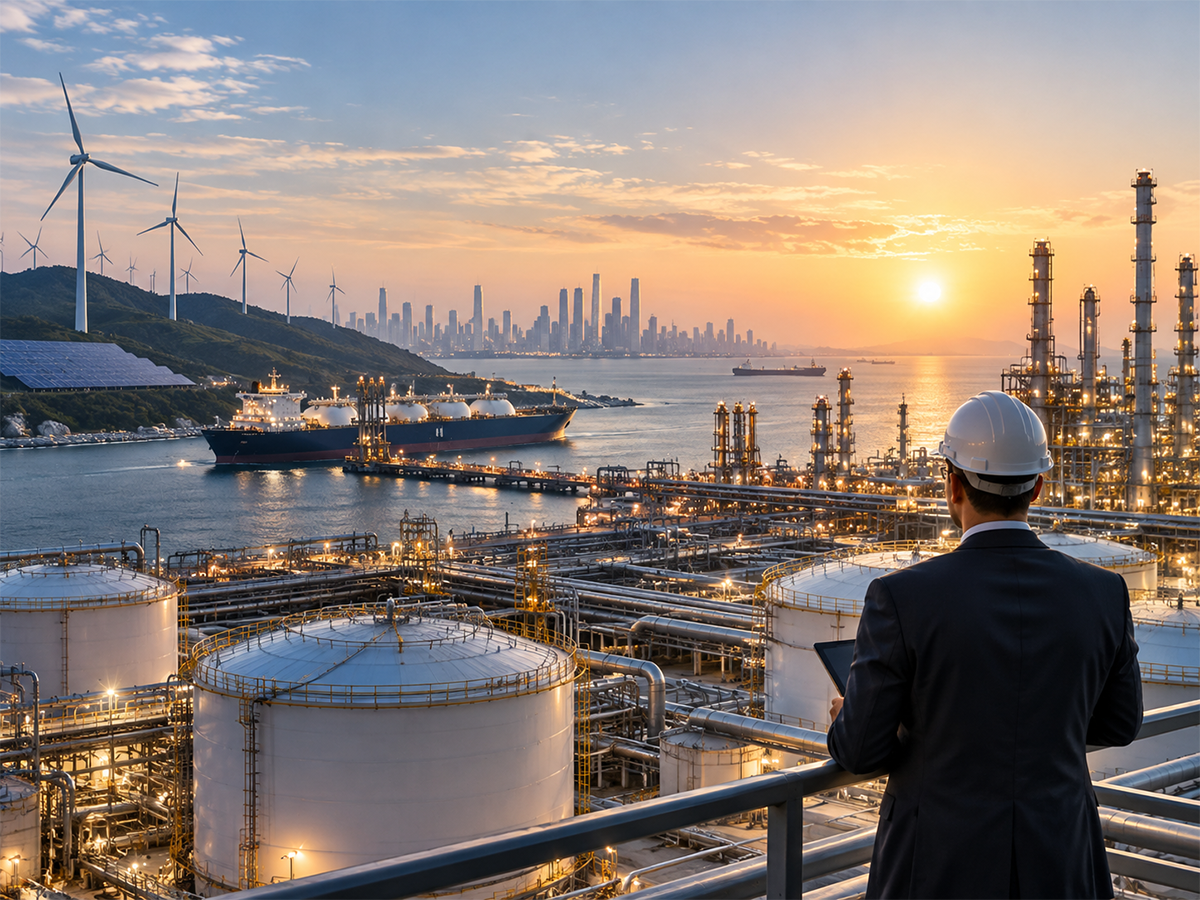
Energy is not just about producing power or fuel.
It also depends on the infrastructure that processes, stores, moves and delivers it.
As economies grow and energy needs change, these assets are becoming just as important as the energy itself. And that is exactly why energy infrastructure is attracting greater strategic attention from long-term investors.
Energy Demand Is Growing
The world's need for energy is growing alongside its economies. More businesses, industries and cities mean more power and fuel are needed every day. Meeting that demand, however, involves much more than increasing production. The infrastructure that supports the entire energy system must grow with it too.
More Energy Needs More Infrastructure
Increasing energy production is not enough on its own. The energy must be stored, transported and distributed before it can be used.
This can include:
- Storage facilities to manage energy supply
- Pipelines, terminals and transport networks to move fuel
- Power grids and transmission systems to deliver electricity
- Processing facilities that support different stages of the energy supply chain
Energy Supply Depends on Strong Systems
Having enough energy available is only part of the picture. It still needs to move through the right systems before reaching the areas where it is needed.
This depends on systems that can:
- Store energy when it is available
- Move it to areas where it is needed
- Support a reliable and consistent supply
- Handle disruptions or changes in demand
Energy Needs Are Changing
The way we produce and use energy is changing. New energy sources are coming into the picture, while the demand for traditional sources continues in many parts of the world.
All of this is changing what the energy sector needs from its infrastructure.
Existing Infrastructure Needs to Adapt
Much of the infrastructure already in place was built for different energy needs. As those needs change, existing systems may also need changes.
This can involve:
- Upgrading of older facilities and equipment
- Expanding storage and transportation capacity
- Improving existing power networks
- Connecting new energy sources to existing systems
New Energy Systems Need New Infrastructure
New energy sources also bring new infrastructure needs. Producing energy is one part. The systems needed to store, move and deliver it must be developed alongside it.
This may include:
- New storage and transport facilities
- Updated power grids and transmission networks
- Infrastructure built around new energy technologies
- Better connections between new and existing energy systems
Why Investors Are Paying Attention
Building energy infrastructure takes time. So does upgrading it. As energy needs continue to change, more investment will be needed to support both existing and new systems.
What Investors Look For
Not every energy infrastructure project will suit every investor. The decision usually depends on what the asset does, where it is located and whether there is a clear need for it over time.
Before investing, several questions may come into the picture:
- Will people and businesses continue to need what this asset supports? An asset with a clear role in the energy system may have stronger long-term relevance.
- Where does it fit within the wider supply chain? Some infrastructure plays a key role in storing, processing or moving energy from one point to another.
- Can it keep up with changing market needs? Existing assets may need upgrades, while others may be better placed to support new developments.
- What condition is the infrastructure in? Older facilities may require major maintenance or improvements before they can continue operating effectively.
- Does its location make sense? Access to industrial areas, transport routes and major markets can all affect an asset's importance.
- What does the regulatory environment look like? Local policies and regulations can influence how an asset is developed and operated over time.
More Than Just Capital
Funding is an important part of any energy infrastructure project, but it is only one piece of the process. Getting a project from an idea to an operating asset can involve several different people, skills and areas of expertise.
Some of the other things that can matter include:
- Project development: Planning the project properly and understanding what is needed before development begins.
- Technical expertise: Having the right knowledge to design, build and manage complex infrastructure.
- Regulatory requirements: Different approvals and local requirements may need to be addressed before and during the project.
- Strong partnerships: No single organisation necessarily handles every part of a large infrastructure project. Different capabilities may be needed at different stages.
- Execution: Plans can look good on paper. The real work begins when those plans have to be put into action.
Conclusion
Energy infrastructure is becoming an important part of the wider investment conversation. As energy needs continue to grow and change, the systems that support production, storage, transportation and distribution will need investment too.
For long-term investors, the focus is not just on the energy being produced, but also on the infrastructure that keeps the entire system moving.
Businesses do not grow on ambition alone. They need reliable power, working transport networks and systems that can move goods without unnecessary delays.
These things may sound basic, but they can affect how easily a business expands and how quickly an economy can move forward.
This is why infrastructure investment matters. As economic activity grows, the systems supporting it need to grow too.
Infrastructure Supports Economic Activity
Infrastructure can affect how easily businesses get things done. Moving goods, getting reliable power and accessing different markets all depend on the systems available around them. For businesses, these systems can shape how smoothly everyday work gets done. Transport delays, power issues or limited access to key routes can all create problems along the way.
This is why infrastructure becomes more important as economies and business activity continue to expand.
Businesses Need Strong Foundations
Businesses have a lot to deal with every day. Products have to move, employees have to travel and basic services need to be available for work to continue.
Infrastructure plays a role in all of this. Businesses may need:
- Reliable power to keep offices, factories and other workplaces running.
- Roads and transport networks to move products and materials where they need to go.
- Ports and logistics facilities when goods need to move between different markets.
- Internet and communication systems to stay connected with customers, suppliers and teams.
- Water and other essential services that support industries and the areas where they operate.
Growth Creates New Demands
Growth changes what people and businesses need from the systems around them. More goods may need to be moved, while cities and businesses may place greater demands on existing services. This can eventually lead to the need for larger or improved infrastructure.
This can create a need for:
- More capacity to support growing populations and business activity.
- New transport routes to connect expanding cities, industries and markets.
- Additional power and utility systems as energy needs continue to rise.
- Better logistics facilities for the larger volumes of goods being moved around.
- Upgrades to existing infrastructure where current systems are starting to fall behind.
Infrastructure Can Support Long-Term Growth
The infrastructure built today can continue serving businesses, industries and communities for years. New roads can open access to different areas, while better transport and utility systems can support more economic activity over time.
This is where infrastructure can have an impact beyond immediate business needs. It can also create opportunities for future growth and development.
Better Connections, Better Opportunities
Poor connections can limit where businesses can operate and who they can reach. Better roads, transport routes and access to key locations can change that.
This can open new possibilities, including:
- Reaching customers in places that were previously harder to access.
- Moving goods between different locations with fewer barriers.
- Making it easier for businesses in different regions to connect and work together.
- Greater access to opportunities for businesses and communities in developing areas.
- Stronger trade and business activity through improved transport and logistics networks.
Supporting Industry and Development
Industries often need more than access to customers and suppliers. Their growth can also depend on whether the right infrastructure is available in the areas where they operate.
This may involve:
- Reliable power and utility services for industrial operations.
- Transport and logistics networks for moving materials and finished goods.
- Infrastructure that supports the development of new industrial areas.
- Better access to locations where businesses may want to invest or expand.
- Systems that can support increased activity as industries continue to grow.
Why Long-Term Investment Matters
Big infrastructure projects are not usually completed in a few months. There can be years of planning before construction even begins, followed by more time to build and develop the project. The same is true once the infrastructure is in place. Roads, power systems, ports and other major assets can remain part of an economy for many years.
Long-term investment can therefore involve looking at things such as:
- How future demand may change: The needs of a growing economy may look different several years from now.
- How the project will be developed: Major projects often have a long road between the initial idea and the start of construction.
- What happens after construction: Infrastructure still needs funding and attention once it is built.
- Whether changes may be needed later: The infrastructure being built today may need to be updated as new needs emerge over time.
- What the project can support: Its role can extend beyond the infrastructure itself, affecting the businesses and communities around it.
Conclusion
Roads, power systems, ports and other infrastructure play a practical role in keeping economic activity moving. From moving goods to supporting industrial activity, the systems in place can influence what happens around them.
For this reason, infrastructure investment is not only about meeting today's needs. The decisions made and projects developed now can continue to support economic activity for years to come.
This is a great reminder that financial planning isn’t just about numbers; it’s about aligning your money with your life goals. Physician Lifecycle Planning can help you make the most of your earning potential while ensuring you’re also prioritizing your well-being and quality of life.